

Brazil's President Luiz Inácio Lula da Silva has won reelection to a fourth, non-consecutive term, defeating Sen. Flávio Bolsonaro in a runoff held on Sunday, Oct. 25, 2026. With every vote counted, Lula took about 51.8% and finished nearly 4.4 million votes ahead, according to AP reporting carried by PBS NewsHour. Bolsonaro has not accepted the result, and the fight now moves to the courts.
What to know about the Brazil runoff results
- Winner: Lula, of the Workers' Party, with roughly 51.8% to Bolsonaro's 48.2%.
- Turnaround: Bolsonaro led the Oct. 4 first round, 47% to 45%.
- Dispute: Bolsonaro says he will seek to annul the vote over a two-hour extension of voting ordered on election day.
- Next step: Lula's new term begins Jan. 5, 2027.
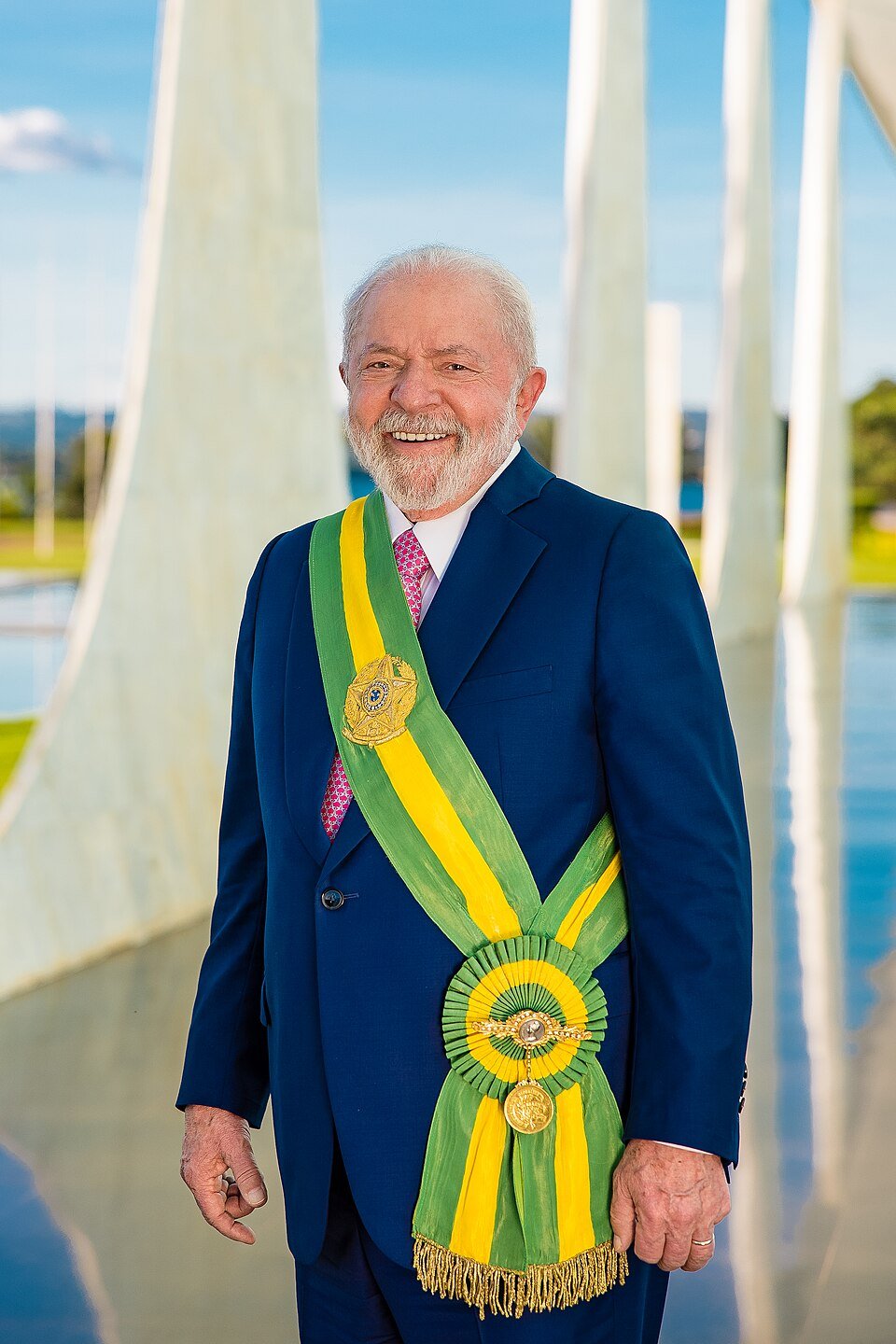
How Lula turned around a first-round deficit
The first round looked bad for the incumbent. Bolsonaro finished more than 2.2 million votes ahead, and some late polls had him narrowly in front. Yet no one had cleared 50%, so the two men met again three weeks later.
According to NPR, this is a historic comeback. AP notes that it is the first time since military rule ended in 1985 that the runner-up in round one went on to win the presidency.
AP's account of the campaign says Lula reorganized his operation after the first round. He courted younger voters, put large crowds on the streets in defense of democratic institutions, raised fears about another Bolsonaro government and leaned on government programs. He also argued that a Bolsonaro presidency would give Washington too much sway over Brazil.
The map tells the rest of the story. Fox News reports that Bolsonaro still carried the wealthier south, including São Paulo, Rio de Janeiro, Paraná and Rio Grande do Sul, but by thinner margins than before. Lula's strength in the North and Northeast, long a Workers' Party base, offset those losses. Minas Gerais, a state often treated as a national bellwether, went from a roughly 5-point Bolsonaro win in round one to essentially a tie.
Both men fought on cost-of-living and security worries. Bolsonaro campaigned on tough-on-crime policies and lower food prices. Lula, who is about to turn 81, defended his record and promised more relief.
The voting extension at the center of the dispute
The evening was messy. A Supreme Court justice, Cristiano Zanin, ordered polls to stay open two extra hours across the country, right around the scheduled closing time. AP and CBS News report that both campaigns had asked for more time: Lula's team cited transport problems in São Paulo and Salvador, while Bolsonaro's cited heavy rain in the south.
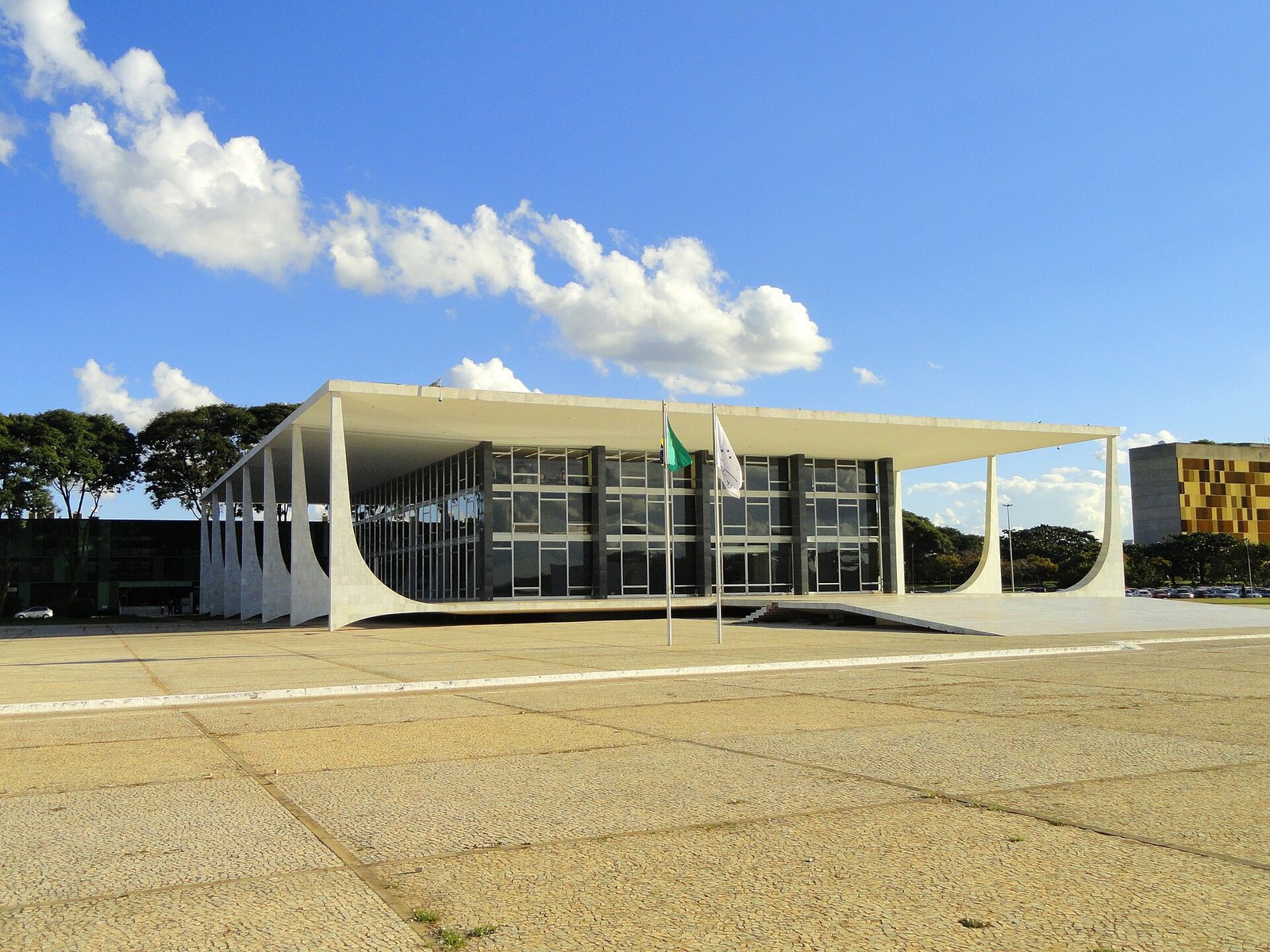
The order still caused confusion. Some polling places had already shut down their machines, and the count was delayed by about two hours.
Bolsonaro's allies noted that Zanin once served as Lula's lawyer. Bolsonaro called the extension unprecedented, saying it changed the rules mid-game, and said his legal team would seek to annul the election, reported by Anadolu Agency. The head of the electoral court, Kássio Nunes Marques, said the extension did not change the outcome. Legal experts told Fox News that Bolsonaro faces a high bar.
One detail complicates his argument: his own campaign had requested a more limited extension. Sources also differ on the exact timing of the order, so this article does not give a clock time.
Lula's response and the governing challenge
In his speech, Lula said a president-elect does not have to be liked by everyone, but must govern for everyone, and called the result a defeat for denialism and lies, according to Fox News.
Governing will not be easy. Fox News describes the new Congress as center-right and right-wing, among the most conservative in Brazil's modern history. Lula will need deals to pass anything. Bolsonaro's movement is also not going away: the coverage points to São Paulo Gov. Tarcísio de Freitas, who backed Flávio Bolsonaro, as a leading figure on the right ahead of 2030.
Why the result matters beyond Brazil
Lula is a vocal critic of President Donald Trump, and AP says his win offers relief to those wary of growing U.S. influence in Latin America. Trump had not formally endorsed Flávio Bolsonaro but made his preference clear, Fox News reports.
The result also interrupts a run of victories by right-of-center, Trump-aligned candidates in the region. With Mexico already led by a left-of-center president, Latin America's two most populous countries will be governed from the left. Brazil's economy, about $2.6 trillion a year by AP's figure, has also faced higher U.S. tariffs.
CNBC reported that Brazilian markets reacted to the news. This article does not cite specific market moves because they could not be confirmed.
What happens next
- Legal challenge: Bolsonaro's lawyers say they will seek annulment. RTÉ notes his refusal to concede could spark protests, in a country where trust in the electoral and judicial systems has been strained. It was not confirmed whether a petition had been filed at the time of writing.
- Certification and transition: Brazil's electoral court has declared the result, and Lula's term begins Jan. 5, 2027.
- Congress: the new legislature will shape how much of his agenda Lula can pass.
Frequently asked questions
Who won the Brazil election in 2026? Lula won the Oct. 25 runoff with about 51.8% of the vote.
Has Flávio Bolsonaro conceded? No. He says he will seek to have the election annulled.
Why was voting extended? A Supreme Court justice ordered a nationwide two-hour extension after both campaigns cited transport or weather problems.
When does Lula's new term begin? Jan. 5, 2027, according to AP.
Conclusion
Lula's win ends a bruising campaign, but the aftermath is unsettled. The numbers are not in doubt: the margin was about 4.4 million votes. Whether Bolsonaro's challenge gains any legal or political traction will shape the early months of Lula's fourth term.
Sources and further reading