
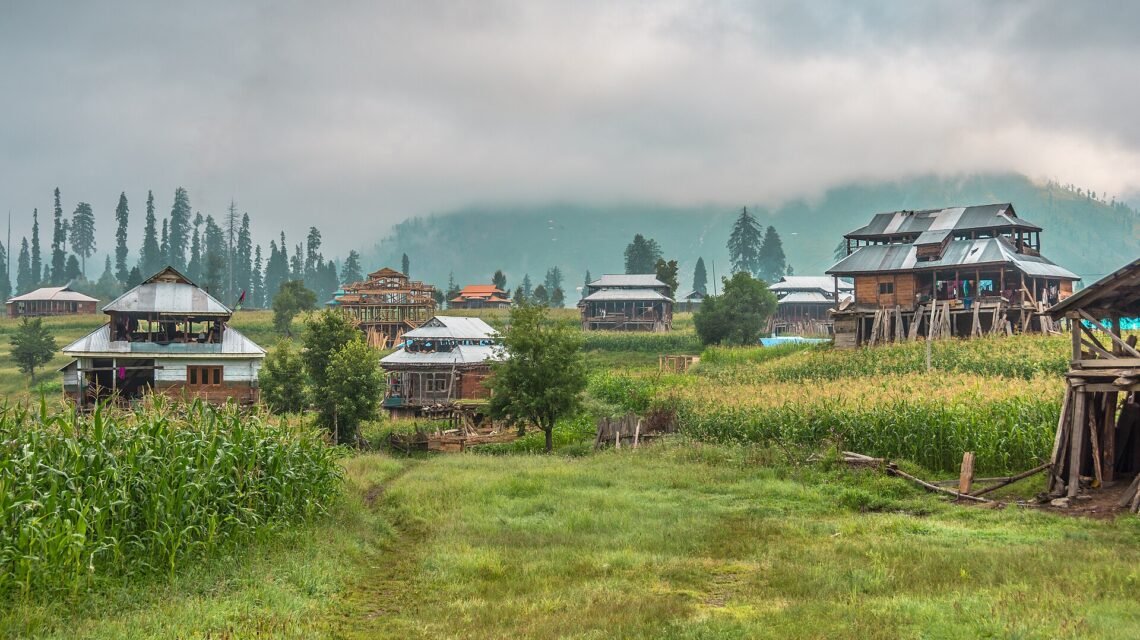
Every year on 27 October, Pakistan goes a little quiet. Black banners go up on main roads, leaders issue messages, and in recent years the country has paused for a minute of silence in the morning. This is Kashmir Black Day, known in Urdu as Youm-e-Siyah. If you’ve ever wondered what it actually commemorates, why the date matters, and why India sees it so differently, here’s a straightforward explanation.
What Kashmir Black Day is
Kashmir Black Day is an annual day of protest and remembrance. Pakistan, Kashmiris on both sides of the Line of Control (LoC), and Kashmiri communities abroad mark it to say that, in their view, the future of Jammu and Kashmir was never settled by the people who live there.
It’s one of three Kashmir dates on Pakistan’s calendar. The others are 5 February, Kashmir Solidarity Day, and 5 August, when many Kashmiris and Pakistanis remember India’s 2019 decision to end the region’s special status. Black Day is the oldest of the three, because it points back to where the dispute began.
What happened on 27 October 1947
When British rule ended in 1947, hundreds of princely states had to choose between India and Pakistan. Jammu and Kashmir was unusual: most of its people were Muslim, but its ruler, Maharaja Hari Singh, was Hindu, and he hesitated.
That autumn, armed fighters from the north-west entered the state, and the Maharaja’s authority began to crumble. He asked India for military help. Indian troops were flown into Srinagar on the morning of 27 October. By the following year the two new countries were fighting a war, and a UN-brokered ceasefire at the start of 1949 left Kashmir split along a line that would eventually become the LoC.
Two sides, two stories
Here’s where things get contested, and it helps to hear both versions plainly.
The Pakistani and Kashmiri-resistance view: the accession was improper, the Maharaja had lost control of the state, and the people were never asked. On that reading, landing troops on 27 October was a military takeover, which is why the date is called “black.”
The Indian view: Hari Singh signed the Instrument of Accession on 26 October, which made the state legally part of India, and the troops arrived at his request to defend it. India marks 27 October as Infantry Day to honour those first soldiers.
Same date, same airfield, completely different meanings. That gap is basically the Kashmir dispute in miniature.
Where the UN comes in
In 1948 the UN Security Council passed Resolution 47, and the UN Commission for India and Pakistan followed with resolutions in 1948 and 1949. They called for a ceasefire and for a plebiscite, a vote, so Kashmiris could decide their future. That vote has never happened.
Pakistan says the resolutions are still valid and binding. India says the conditions, including troop withdrawals, were never met, and points to the 1972 Simla Agreement as committing both sides to resolve the issue bilaterally. Neither side has budged in decades.
How Pakistan observes the day
The official tone is solemn. In 2025, the prime minister ordered a one-minute silence across the country at 10 a.m. on 27 October. Rallies took place in cities including Karachi, where one gathered at Mazar-e-Quaid, and schools, universities and government offices held speeches, essay contests and seminars. The president and political leaders issued messages saying lasting peace in South Asia depends on resolving Kashmir.
This year, too, officials, including Deputy Prime Minister Ishaq Dar, reaffirmed Pakistan’s support for Kashmiris, and Pakistan used the UN General Assembly to speak on the issue. On the other side of the LoC, Kashmiri separatist groups such as the Hurriyat Conference have traditionally called for protests and shutdowns on the same date, though conditions there are tightly controlled.
Why it still matters
In short: Black Day isn’t only about 1947. It’s a yearly reminder that one of the world’s oldest disputes between two nuclear-armed neighbours is still open.
The date took on extra weight after 5 August 2019, when India revoked Article 370 and divided the state into two union territories. Pakistan rejected the move, and each Black Day since then has carried that fresh grievance. Meanwhile, ordinary people on both sides of the LoC live with checkpoints, periodic cross-border firing, and the uncertainty that comes with an unresolved border.
You don’t have to accept one side’s narrative to see the cost. Whatever you think about 1947, most observers agree that a lasting settlement will need talking, not just anniversaries.
Quick answers
Why is Kashmir Black Day on 27 October?
Because Indian troops landed in Srinagar on that date in 1947, which Pakistan and many Kashmiris regard as the start of an illegal occupation.
What does Youm-e-Siyah mean?
It’s Urdu for “Black Day,” the common name for Kashmir Black Day in Pakistan.
How does India see 27 October?
India says the Maharaja signed the Instrument of Accession on 26 October and that its troops came at his request. It observes 27 October as Infantry Day.
Kashmir Black Day sits at the point where history, politics and personal loss meet. Knowing the facts, and the competing claims, is a good place to start any conversation about it.